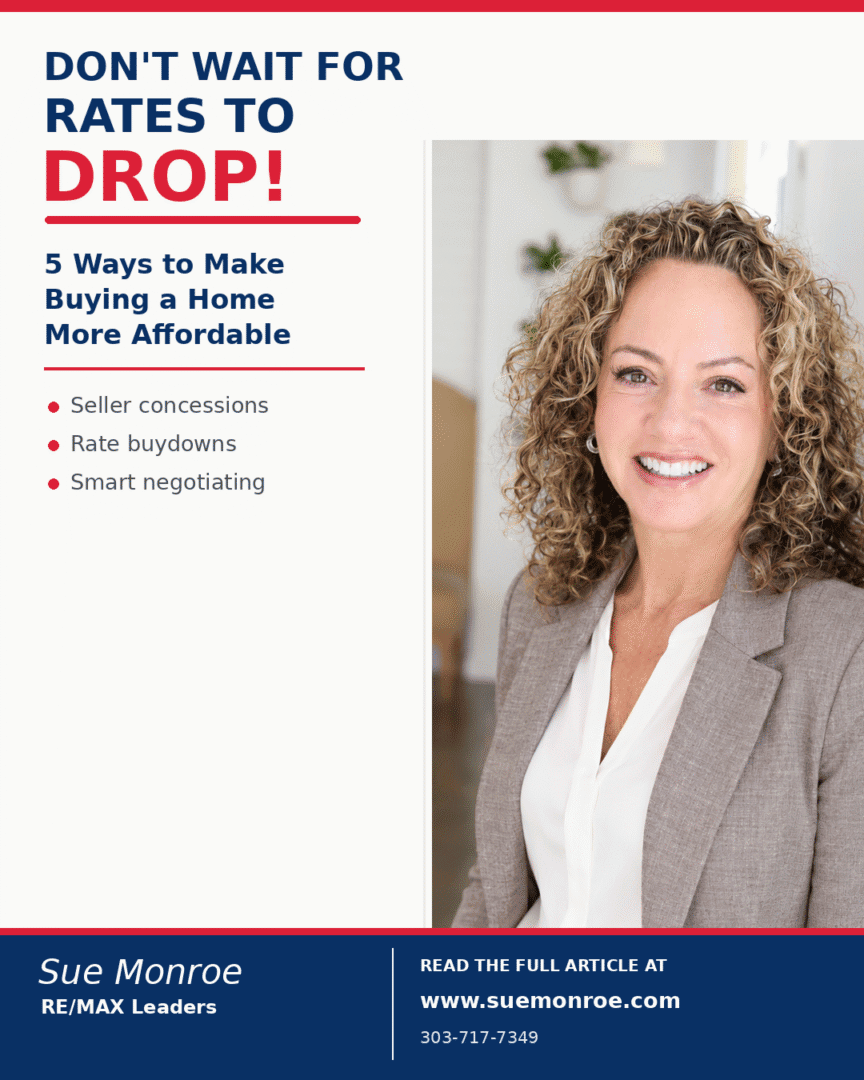

The Truth About Waiting for the Market to Crash
One of the most common things I hear from buyers is:
“We’re waiting for the market to crash.”
After 29 years in real estate, I completely understand why people feel that way. Housing prices have risen dramatically over the years, interest rates have changed, and headlines often create uncertainty and fear.
But here’s the truth: waiting for a market crash is rarely as simple—or as beneficial—as people think.
Every Market Shift Is Different
Many people compare today’s housing market to 2008. While there are always market changes and corrections, today’s market is very different in several important ways.
Back then, there were:
- Risky lending practices
- Oversupply of homes
- Easier loan approvals
- Large numbers of foreclosures
Today, lending standards are much stricter, inventory remains limited in many areas, and homeowners generally have stronger equity positions.
That doesn’t mean prices never adjust—but it does mean a dramatic nationwide crash may not happen the way some people expect.
Waiting Can Sometimes Cost More
Over the years, I’ve worked with buyers who waited years for prices to fall significantly.
In many cases:
- Home prices continued rising
- Interest rates increased
- Monthly payments became higher
- Buyers lost buying power
Even if home prices dip slightly, higher interest rates can offset those savings quickly.
The reality is that affordability depends on more than just the purchase price.
Real Estate Is Local
One thing people often forget is that real estate markets are local.
National headlines don’t always reflect what’s happening in your neighborhood, city, or price range.
Some markets cool while others remain competitive. Some areas see price adjustments, while others continue growing due to demand, low inventory, or local economic factors.
That’s why local market knowledge matters so much.
Timing the Market Perfectly Is Nearly Impossible
Trying to perfectly time the market is extremely difficult—even for experienced professionals.
The best buying decisions usually happen when:
- You’re financially ready
- Your job and lifestyle are stable
- The monthly payment fits comfortably within your budget
- The home meets your long-term needs
Buying a home should be viewed as a long-term investment, not just a short-term market prediction.
There’s Never a “Perfect” Market
Every market has challenges.
In low-rate markets, buyers often face intense competition and bidding wars.
In higher-rate markets, there may be less competition, more negotiation opportunities, and more inventory—but financing costs can be higher.
There’s rarely a perfect combination of:
- Low prices
- Low rates
- High inventory
- No competition
That market simply doesn’t exist for long.
Focus on the Bigger Picture
The buyers who tend to do best over time are usually the ones who focus less on headlines and more on long-term goals.
Real estate has historically rewarded patience, smart planning, and buying within your means.
The key is making informed decisions—not emotional ones driven by fear or hype.
Final Thoughts
Could the market shift? Absolutely. Real estate markets are always evolving.
But waiting indefinitely for a major crash can sometimes mean missing opportunities, losing buying power, or putting life plans on hold.
After nearly three decades in real estate, one thing remains true: the right time to buy or sell is less about perfectly timing the market—and more about making the move that fits your goals, finances, and future.
Because real estate decisions should be based on strategy, not fear.
Sue Monroe