Why Overpricing Your Home Hurts More Than You Think
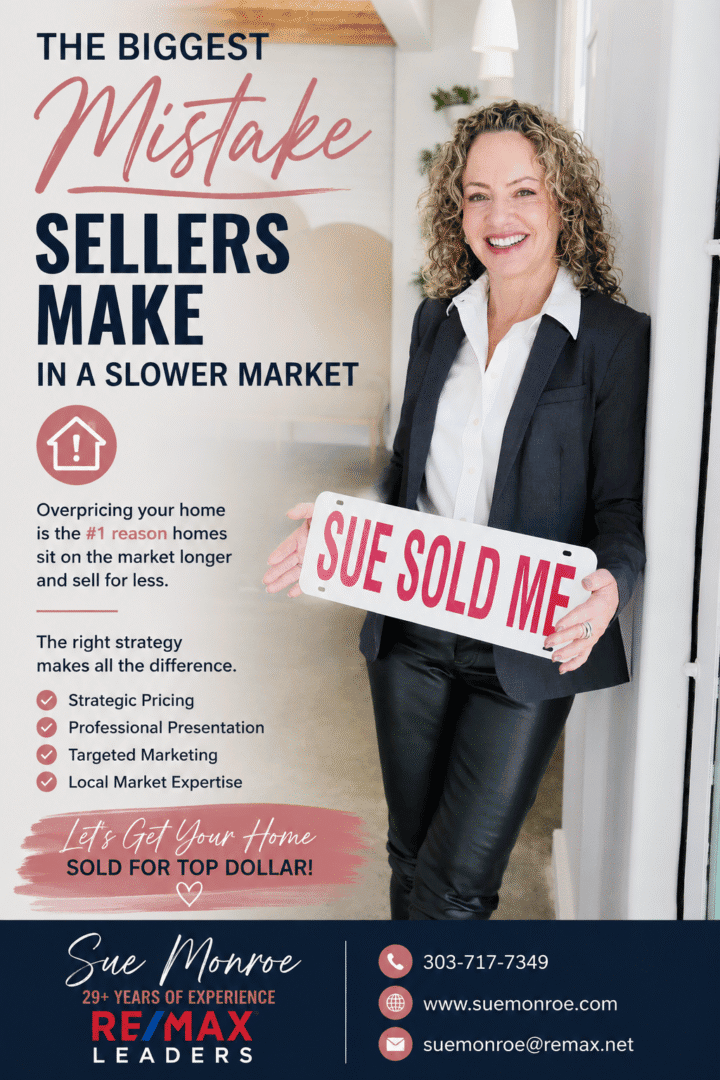
One of the biggest mistakes I’ve seen in nearly 30 years of real estate is overpricing a home from the start.
Almost every seller wants to “leave room for negotiation” or “test the market.” I understand the thinking. Your home is personal, valuable, and likely one of your largest financial assets.
But in today’s market, overpricing often creates the exact opposite result sellers hope for.
Instead of making more money, many overpriced homes end up:
sitting on the market longer
getting fewer showings
attracting low offers
requiring price reductions
ultimately selling for less than they could have originally
Here’s why.
Buyers Know the Market Better Than Ever
Years ago, buyers relied heavily on agents to access listing information. Today, buyers can instantly compare your home to every competing property online.
They know:
recent sales
price-per-square-foot trends
neighborhood inventory
how long homes have been sitting
previous price reductions
When a home is noticeably overpriced, buyers usually recognize it immediately.
And most won’t even schedule a showing.
Your First Two Weeks Matter Most
The first days your home hits the market are incredibly important.
That’s when:
new listing alerts go out
buyers are paying attention
agents preview properties
online activity is highest
If the price feels right, you create urgency and competition.
If the price feels high, buyers wait.
And waiting is dangerous in real estate.
Once a listing sits too long, buyers begin asking:
“What’s wrong with it?”
“Why hasn’t it sold?”
“Are the sellers unrealistic?”
“Will they even negotiate?”
Even beautiful homes can develop a stigma simply because they linger on the market.
Overpriced Homes Help Sell Competing Properties
This is something many sellers don’t realize.
Sometimes an overpriced listing actually helps nearby homes sell faster.
Why?
Because buyers compare.
If your home is priced significantly above similar homes, competing listings suddenly look like better values.
I’ve watched buyers walk into an overpriced home and then immediately make an offer on the next property they see.
Price Reductions Often Weaken Your Position
Many sellers assume they can simply lower the price later if needed.
But repeated price reductions can send the wrong message.
Buyers may assume:
the seller is desperate
there are hidden problems
the home has been rejected multiple times
they can negotiate aggressively
A home that starts at the right price often creates stronger leverage than one that chases the market downward.
The Market Is Always Talking
The real estate market gives feedback quickly.
Showings, online saves, open house traffic, and agent comments all tell a story.
If activity is low despite strong marketing, pricing is usually the reason.
Not every seller wants to hear that — but pricing correctly from the beginning is one of the most important decisions in the entire selling process.
Emotion vs. Market Value
This is one of the hardest parts of selling a home.
Sellers naturally attach emotional value to:
memories
upgrades
years of care
personal pride
But buyers compare homes objectively.
The market doesn’t price memories — it prices competition, condition, location, and demand.
That’s why honest pricing strategy matters so much.
Proper Pricing Creates Momentum
Ironically, homes priced correctly sometimes sell above asking price.
Why?
Because accurate pricing:
increases visibility
attracts more buyers
creates urgency
generates multiple offers
strengthens negotiating power
The goal is not simply to list high.
The goal is to maximize final sale value.
And those are not always the same thing.
Final Thoughts
After nearly three decades in real estate, one thing remains consistently true:
The market rewards realistic pricing.
A well-priced home creates excitement.
An overpriced home creates hesitation.
If you’re thinking about selling, pricing strategy should never be based on hope alone. It should be based on market knowledge, buyer behavior, and a clear understanding of local competition.