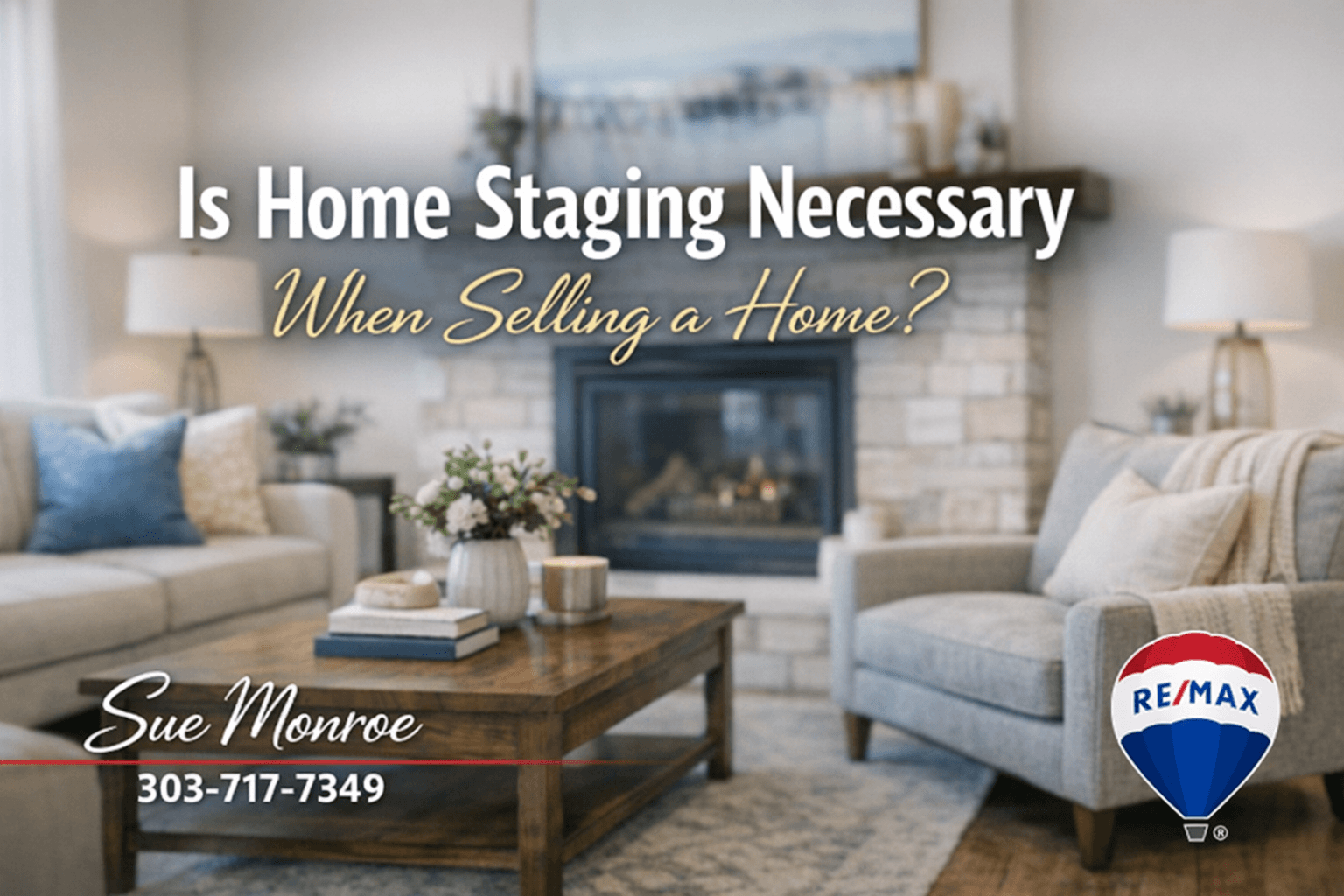
Is Home Staging Necessary When Selling a Home?
One of the most common questions I get from sellers is:
“Do I really need to stage my home?”
The honest answer?
It depends.
But in today’s market, presentation matters more than ever.
Why Staging Matters
Buyers don’t just buy square footage.
They buy how a home feels.
Most buyers shop online first. If your home doesn’t photograph well, they may never step through the door. Staging helps your home:
-
Photograph beautifully
-
Feel larger and brighter
-
Highlight key features
-
Help buyers emotionally connect
-
Sell faster (and often for more)
First impressions are everything.
Vacant Homes: Staging Is Highly Recommended
When a home is completely empty, it almost always feels:
-
Smaller
-
Colder
-
Less inviting
-
Harder to visualize
Vacant homes also tend to sit longer because buyers struggle to understand how rooms function.
In most cases, I strongly recommend professional staging for vacant properties. Even partial staging (living room, primary bedroom, dining area) can make a dramatic difference in how a home shows — both online and in person.
An empty house is just space.
A staged home tells a story.
Occupied Homes: Smart Staging Using What You Already Have
If you’re living in your home while selling, you don’t necessarily need to rent furniture. Instead, I provide my sellers with a clear, strategic plan to stage using their existing pieces.
Here’s what I typically focus on:
1. Declutter — More Than You Think
Less is more.
-
Remove excess décor
-
Clear countertops
-
Edit bookshelves
-
Minimize personal photos
-
Clean out closets (buyers will open them!)
Buyers should see space — not stuff.
2. Depersonalize
We want buyers imagining their life in the home — not feeling like they’re visiting someone else’s.
That means:
-
Removing highly personal items
-
Neutralizing bold or distracting décor
-
Simplifying wall art
3. Rearrange for Flow
Sometimes staging isn’t about removing — it’s about repositioning.
-
Float furniture away from walls when appropriate
-
Define spaces clearly
-
Remove oversized pieces that crowd a room
-
Make sure each room has a clear purpose
4. Light and Bright Wins Every Time
-
Open blinds
-
Add lamps if needed
-
Replace dim bulbs
-
Use light, neutral bedding and towels
Buyers love bright homes.
Is Staging Worth the Investment?
In many cases, yes.
Even light staging and decluttering can:
-
Increase perceived value
-
Reduce days on market
-
Help prevent price reductions
-
Create stronger offers
The goal is simple:
Make buyers fall in love before they ever walk in.
My Approach With Sellers
Every home is different.
When I meet with a seller, I walk through the property and give honest, practical advice on:
-
What to remove
-
What to rearrange
-
What (if anything) to professionally stage
-
What improvements will give the best return
I don’t believe in spending money where it doesn’t make sense — but I do believe in strategic preparation.
Selling a home isn’t just putting it on the market.
It’s positioning it correctly from day one.
If you’re thinking about selling and wondering whether staging is necessary, I’m happy to give you a personalized walkthrough and game plan.
Sue Monroe
303-717-7349